First and prime — these best dating secret tips are helpful but a panacea. Second and essentially — they match everyone from teenagers to older adults who are in long term relationships. Third and last, we’re all different, and dating tips can’t solve all borders between you and your crush.
Here’s a list that contains dating advice, not from your best friends, but these devices still work:
- Do not be rude, if your expectations of online dating failed.
- Be gentle at your first date, but not a lot.
- Be calm! All the time, not only at first, second or third date.
- Be generous, not only on the second date, all the time!
- Remember about humor on the first date.
- Prepare what a long term relationship is more than some dates, and as usualy a dating coach won’t advise you in how be correct in long term relationships.
- Hookup lines work and can move you from a third date to a marriage.
- The real life date can differ from online dating at your favorite dating apps.
And, of course, do not ask about ‘this’ on the first three dates. It isn’t pleasant. So let’s concretely describe the best dating tips.
Do not be rude on your first date — the best dating advice
Your opponent will look different from a dating app profile, shyer, and more annoying. Fitter, slimmer, fatter, longer, taller, shorter. Doesn’t matter. You have to focus on your feelings and give a change to a person in real life. Who knows, maybe after a first date, he or she will feel more comfortable, and you finally find a person who you are talking to on your favorite dating apps.
Online dating does not equal offline dating

You can be a hero in all those dating apps, with their own rules, but in real life, everything is very different, so prepare to be confused, or you will get bad dates all the time.
Do not show your lust
If your love interest is extremely hot, you shouldn’t show it to her. It’s impolite. You still have to stay calm. After some first dates, you’ll get a real connection.
Be calm! All the time
It doesn’t matter if you are on a first date at the coffee shop or in a relationship. The calmer you are, the stronger your mental health. Prepare to not react to most words of your partner.
Be generous
It is tough than sending a few messages. But you can move a date into a local bar, where everything is cheap, and there you can be honest and generous at the same time. Prepare to take more money than you usually spend.
Be gentlemanly, but not too much
Each woman loves, then you are gentle. But if you are too gentle, you’ll be moved to the friend-zone list without the possibility of getting a serious relationship and getting a physical appearance.
Learn some hookup lines
Hookup lines like marketing emails. People do not believe in them, but they work. So prepare to receive marketing emails in conversation, and all will be fine! They perfectly work on hooking up with someone online using information from their dating profiles.
Learn some jokes
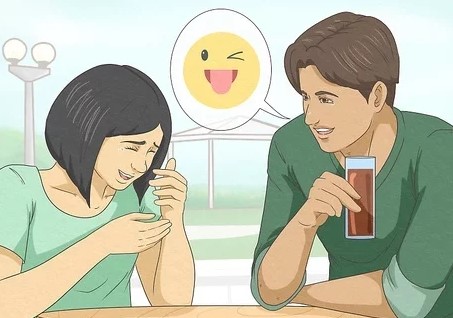
Humor works not only if it comes from one of the family members. If you have fun, you can get more dates with a special someone. But remember about border lines, don’t feel awkward, don’t look awkward, and remember that you are a complete stranger when you tell a bad joke!
Always come to date shaved and clean
Your outfit is more important for people than you expect. And if you listen to a dating coach, you will prepare to date, as for a job interview. You have to… You must look and smell perfect!
And do not forget about the gym. Your figure is still a part of your outfit.
Do not move to a place where you can meet your ex- or your family members
If you do not want to be confused by your parents, you should move away from the theme park where you spent your birthday last year.
PDA, but not on the first date
PDA is important, but you better decide where and when you will touch, hug, and kiss a woman. Better if you start your PDA not in your close social circle, like near your friends or family. At least at the start.
The main advice: follow your intuition, and all will go smoothly!

You can read the New York Times and search there for dating tips. But the main tip is always the same. Think differently, follow your intuition, and of course, all goes fine. And always give a person a chance for a second date!